Choosing what to cook for dinner can feel like a big decision, can't it? When you pick out lamb, you're not just getting a piece of meat; you're, like, entering into a kind of unspoken promise. This "lamb contract," if you will, is all about the quality, the flavor, and the wholesome goodness you expect to bring to your table. It's about knowing what makes this particular meat so special, from its beginnings to how it shows up on your plate, ready to be enjoyed.
You see, lamb is a very popular choice for meals all around the globe, and for some pretty good reasons. It's known for being tender and having a taste that really stands out. Whether you're thinking about a simple weeknight dinner or something for a special gathering, lamb offers a lot of possibilities. Knowing a bit more about it helps you make the most of what this meat has to offer, too it's almost a culinary partnership.
This article is here to walk you through what that "lamb contract" really means. We'll explore where lamb comes from, what makes it so good for you, and how you can prepare it to truly shine. So, if you're curious about bringing more lamb into your cooking, or just want to learn more about this staple of many diets, you're in the right place. We'll share some simple ways to pick out the best cuts and cook them just right, basically giving you all the details.
Table of Contents
- What is Lamb, Anyway?
- The Nutritional Promise of Lamb
- Picking the Right Cut for Your Lamb Contract
- Cooking Your Lamb to Perfection
- Lamb in the Kitchen: A Global Favorite
- The Lamb Contract: From Farm to Your Fork
- Frequently Asked Questions About Lamb
What is Lamb, Anyway?
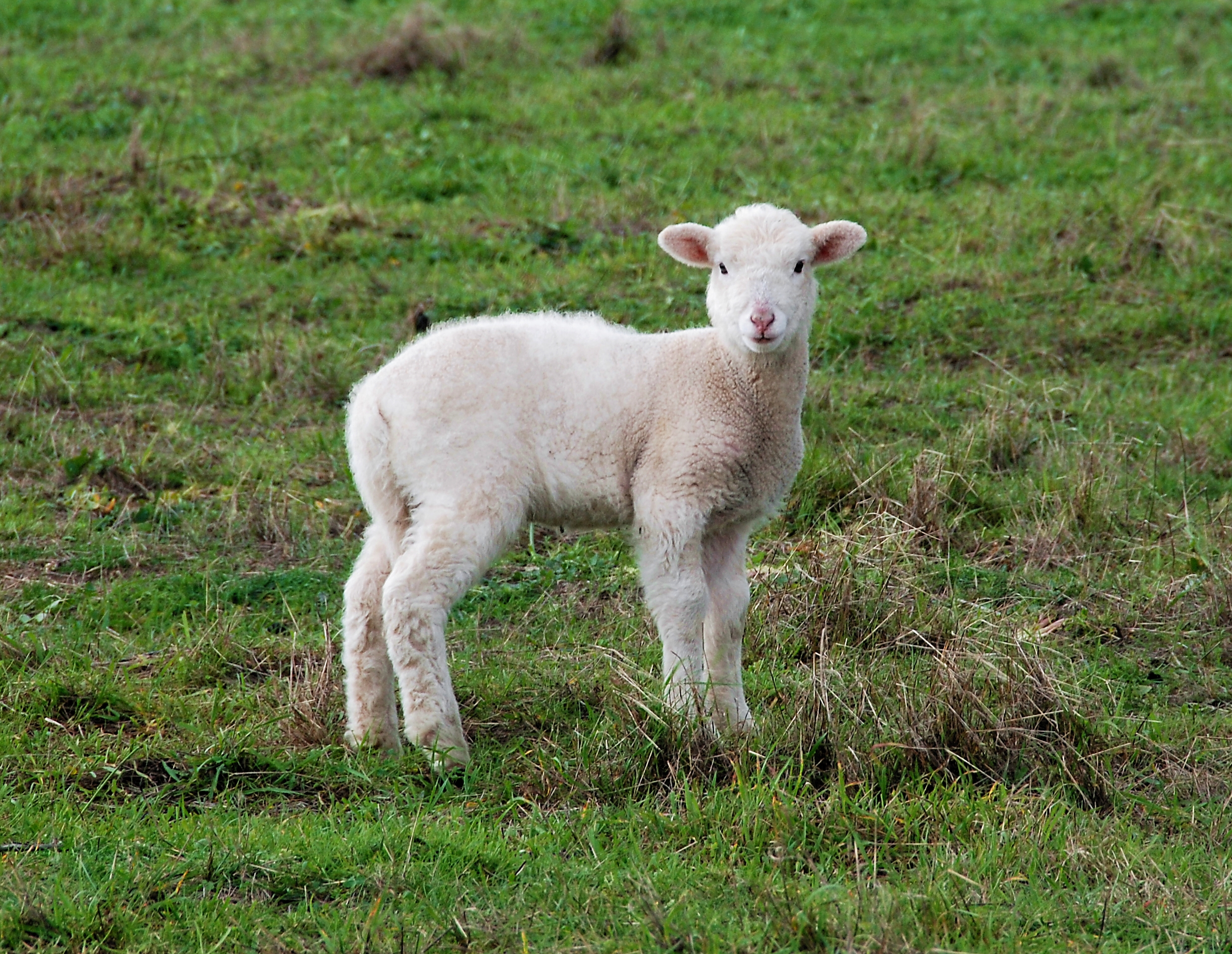
When we talk about lamb, we're referring to meat from young sheep, usually those under one year of age. This youth is what makes lamb so notably tender and gives it a distinct, gentle flavor that many people really appreciate. It's a bit different from other sheep meats, and knowing these differences can help you pick just what you're looking for, that is a good thing to know.
Sheep meat, generally, gets divided into a few categories based on the animal's age. There's lamb, of course, which is from sheep in their first year. Then you have hogget, which comes from sheep in their second year. And finally, there's mutton, which is from older sheep. Each has its own characteristics, with mutton often being more flavorful and needing different cooking approaches, you know?
For instance, the meat from sheep that are only six to ten weeks old often gets sold as "baby lamb." It's incredibly delicate. "Spring lamb" comes from sheep around five to six months old. Mutton, on the other hand, comes from a mature ram or ewe, an animal that's at least one year old. So, while it's all sheep meat, the age really changes things up, actually.
About 80 percent of the lamb we see comes from farms that have more than 100 sheep. This suggests a consistent supply from places that specialize in raising these animals. The way these animals are raised and cared for plays a part in the final quality of the meat, too. This whole process contributes to the "lamb contract" you're engaging in, as it promises a certain standard.
The Nutritional Promise of Lamb
One of the most compelling parts of the "lamb contract" is its nutritional value. Lamb is a primary source of dietary protein in many countries, and it's quite packed with good things for your body. It's not just tasty; it's also a smart choice for your well-being, that's what makes it so popular.
Like other red meats, the protein that lamb provides is complete, which means it has all nine essential amino acids your body needs. These are the building blocks for muscles, tissues, and so much more. But here's where lamb stands out a bit: unlike some other red meats, lamb contains very little fat. This means it has fewer calories per serving, which is rather appealing for many folks.
Beyond protein, lamb is also full of important vitamins and minerals. These include things like iron, zinc, and B vitamins, all of which play big roles in keeping your body running well. For example, iron helps carry oxygen in your blood, and zinc is good for your immune system. So, you're getting a lot of goodness in each bite, you know, in a way.
Some even consider lamb to be the healthiest meat available, given its nutrient profile and lower fat content compared to some other red meats. When you choose lamb, you're making a choice that supports your body's needs, providing a good source of energy and vital nutrients. This is a key part of the value proposition, the "lamb contract" if you will, that you're getting something truly nourishing.
Picking the Right Cut for Your Lamb Contract
To truly honor your "lamb contract," knowing how to pick the right cut is pretty important. Different parts of the lamb offer different textures and are best suited for various cooking methods. Understanding these choices helps you get the most delicious results, and that's what we all want, right?
We'll share some tips on how to choose the right cuts. For example, if you're planning to roast lamb that's crusty on the outside and tender and juicy inside, you'll want a cut that handles that kind of heat well. The leg of lamb is a very popular choice for roasting, and for good reason. It's a substantial cut that can feed a crowd, and it comes out beautifully when cooked with care, pretty much every time.
For quick cooking, lamb chops are a fantastic option. They cook up fast on the grill or in a pan and are perfect for individual servings. There are different kinds of chops, too, like loin chops or rib chops, each with its own charm. Ground lamb is incredibly versatile; you can use it for burgers, pasta dishes, or even homemade stew. It's a super easy way to enjoy lamb, actually.
Then there's lamb shank, which is wonderful for braising. This cut benefits from slow, moist cooking, becoming incredibly tender and flavorful. Rack of lamb, with its elegant presentation, is often roasted and makes a show-stopping meal. So, whether you like to grill, roast, or braise, there's a lamb cut that fits your cooking style. The American Lamb Board, for instance, is a good source for learning about cuts and more, and that's a good place to start.
Cooking Your Lamb to Perfection
Fulfilling the "lamb contract" means cooking it just right. The good news is, preparing lamb doesn't have to be complicated. There are many easy lamb recipes that are great for dinner, no matter your skill level. We'll cover some basics to help you get started, and you'll see it's not so hard.
If you're roasting, getting that crusty outside and tender, juicy inside is the goal. This often involves starting at a higher temperature to get a good sear, then lowering the heat to cook through. Knowing the right internal temperature for lamb meat is key for food safety and for achieving your desired level of doneness. A meat thermometer is your best friend here, honestly.
For beginners, understanding popular cuts and their cooking times can make a big difference. Lamb chops, for instance, cook quite quickly, while a leg of lamb needs more time in the oven. Ground lamb, as we mentioned, is super versatile and cooks up fast, making it perfect for those nights when you need something simple and quick, you know, like your weeknight meals.
Food Network, for example, shares favorite ways to serve up lamb for dinner, whether you're looking to cook lamb chops, leg of lamb, lamb shank, or rack of lamb. They've got you covered with preparation tips and cooking times. The beauty of lamb is that it can be prepared in so many ways, from roasting to stewing, and it plays a central role in many delicious dishes. Just a little care in the kitchen, and you'll have something truly special.
Lamb in the Kitchen: A Global Favorite
The "lamb contract" extends beyond just taste and nutrition; it's also about its place in cultures and celebrations around the world. Lamb is a beloved ingredient in many cuisines, and its demand often increases around major holidays. This shows just how much people value it, and it's quite interesting.
For Christians, Jews, and Muslims, lamb is a common holiday dish, marking special occasions and traditions. This widespread use across different cultures highlights its appeal and versatility. It's not just a meal; it's often a centerpiece for family gatherings and important celebrations, which is rather nice.
Its distinct flavor allows it to be incorporated into a wide array of dishes. You can find lamb in savory stews, rich pasta dishes, hearty burgers, or elegant roasted preparations. This adaptability means there's a lamb recipe for nearly every taste and occasion. It's a meat that truly crosses culinary boundaries, basically.
Discover how lamb differs from mutton not just in age but also in flavor. This difference influences how each is best used in cooking. You can find out common cuts of each and explore various cooking methods for tender, flavorful dishes. Whether it's a slow-cooked tagine or a quick grilled chop, lamb brings a unique and satisfying element to the table, and that's something to appreciate.
The Lamb Contract: From Farm to Your Fork
So, what exactly does this "lamb contract" promise you? It's about the journey of the meat, from the domestic sheep, *ovis aries*, to your dinner plate. It's a promise of quality, a guarantee of flavor, and an assurance of the wholesome goodness that comes with choosing this particular meat. This journey, you know, involves quite a few steps.
The contract begins at the farm, where young sheep are raised. As we learned, about 80 percent of lamb comes from farms with more than 100 sheep, suggesting a focus on producing quality meat. This initial stage sets the foundation for the tenderness and flavor that lamb is known for. The care taken here is, like, the first clause in our unspoken agreement.
Then comes the processing, where the meat is prepared and divided into the various cuts we see at the butcher or grocery store. This is where lamb is separated from hogget and mutton, ensuring that what you buy as "lamb" truly is from a sheep in its first year. This step ensures you get the specific characteristics you're expecting from lamb, honestly.
Finally, the "lamb contract" reaches its fulfillment when you bring that meat home and prepare it. Whether you're roasting it to perfection, braising it until it's falling apart, or grilling up some quick chops, the promise is that you'll have a delicious, nutritious meal. The distinct flavor, the tender texture, and the health benefits are all part of this agreement, you see. It's about the trust you place in the food system to deliver on what it says it is.
The American Lamb Board is your source for all things lamb, providing recipes, nutrition information, cooking temperatures, and details about lamb cuts. This kind of resource helps consumers fulfill their end of the "lamb contract" by giving them the tools to prepare it well. It's all about making sure you get the most out of your lamb, every single time, basically.
Frequently Asked Questions About Lamb
What's the difference between lamb and mutton?
Lamb comes from sheep in their first year of life, which makes its meat very tender and gives it a milder flavor. Mutton, on the other hand, comes from older, mature sheep, typically those at least one year old. Mutton has a stronger, more distinct flavor and is often less tender than lamb, so it's usually best for slow-cooking methods. It's a pretty clear distinction, actually.
Is lamb a healthy meat choice?
Yes, lamb is considered a very healthy meat choice. It's a complete protein source, meaning it provides all nine essential amino acids your body needs. Compared to some other red meats, lamb contains very little fat, which also means fewer calories per serving. It's also packed with important vitamins and minerals, like iron, zinc, and B vitamins, which are good for your overall health, you know?
What are some easy ways to cook lamb for beginners?
For beginners, ground lamb is a fantastic starting point. You can use it to make simple lamb burgers, add it to pasta sauces, or create a comforting homemade stew. Lamb chops are also a great option because they cook quickly on a grill or in a pan. Roasting a smaller cut like a rack of lamb can be surprisingly straightforward too, especially if you use a meat thermometer to check for doneness. There are lots of simple recipes out there, you know, for easy cooking.
Learn more about lamb cuts and cooking tips on our site, and link to this page American Lamb Board for more expert resources.


Detail Author:
- Name : Natalie Jacobson
- Username : fred03
- Email : quitzon.queenie@gmail.com
- Birthdate : 1971-10-01
- Address : 46844 Daisy Fork Apt. 178 Lake Ravenland, AZ 98659-5374
- Phone : +1-276-494-1339
- Company : McKenzie-Grimes
- Job : Glazier
- Bio : Sed quibusdam est commodi. Aut impedit dolor et neque iste est aut ex. Suscipit consequatur optio est id reprehenderit voluptatem maxime necessitatibus.
Socials
twitter:
- url : https://twitter.com/vallie8897
- username : vallie8897
- bio : Doloribus in quis maxime esse voluptates ipsa. Qui quas sit ea dolores.
- followers : 329
- following : 2588
facebook:
- url : https://facebook.com/vallie_torphy
- username : vallie_torphy
- bio : Hic velit est minus et cumque.
- followers : 430
- following : 1461
tiktok:
- url : https://tiktok.com/@vallietorphy
- username : vallietorphy
- bio : Aspernatur neque quibusdam nam eum.
- followers : 695
- following : 1884
instagram:
- url : https://instagram.com/vallie_torphy
- username : vallie_torphy
- bio : Itaque voluptatem error modi officia a inventore quia. Et expedita ut atque perferendis.
- followers : 573
- following : 1154
